
HEYPROFETEACH · SABER 11
ICFES English Parts
Choose a part to practice English skills, explore test strategies and prepare for Saber 11.
 Vocabulary MatchingLexical knowledgeMatch descriptions with words A to G.Explore Part 1
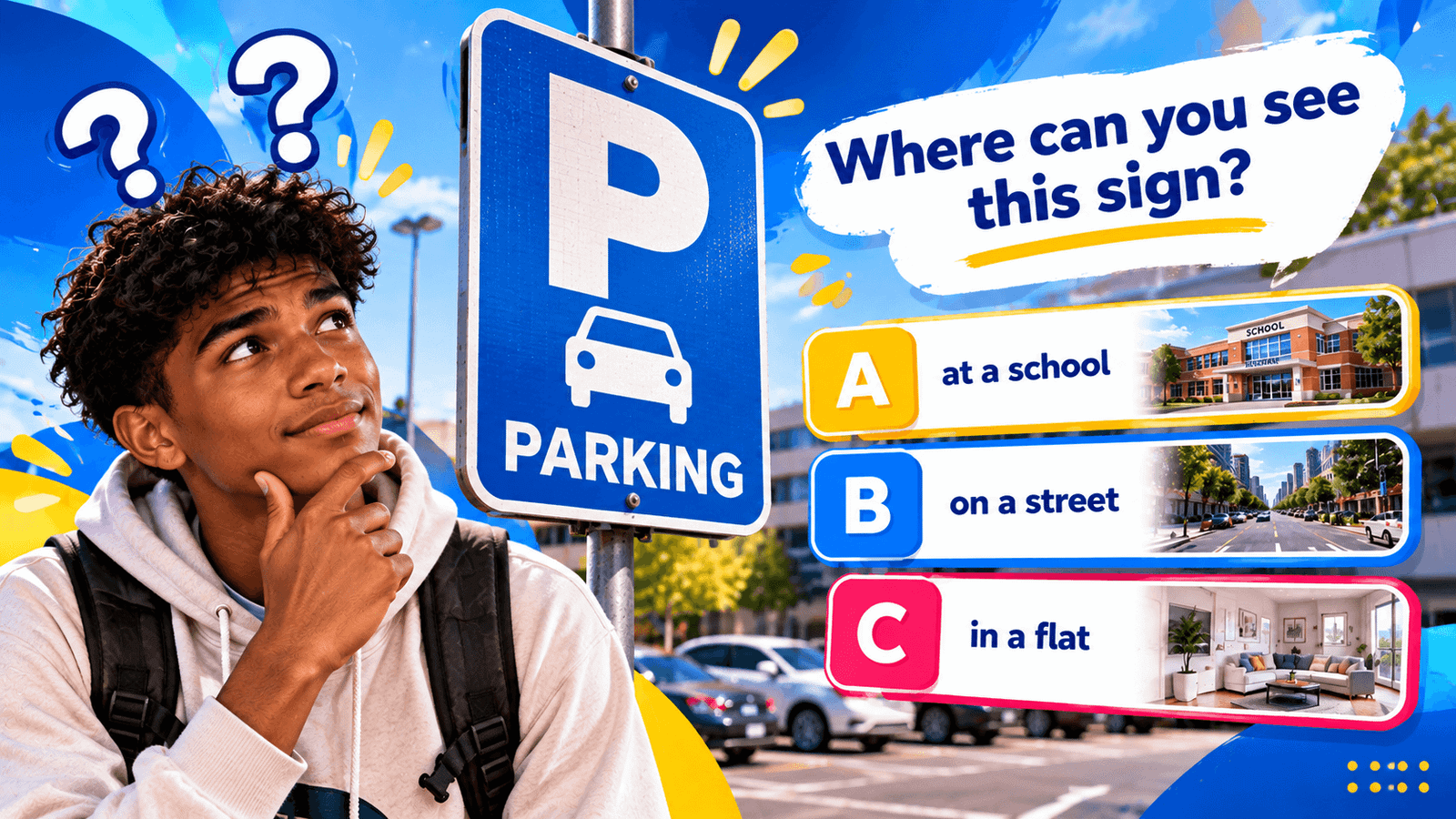 Notices and PlacesPragmatic understandingIdentify the meaning and location of notices.Explore Part 2
 Short ConversationsCommunicationChoose appropriate responses in everyday conversations.Explore Part 3
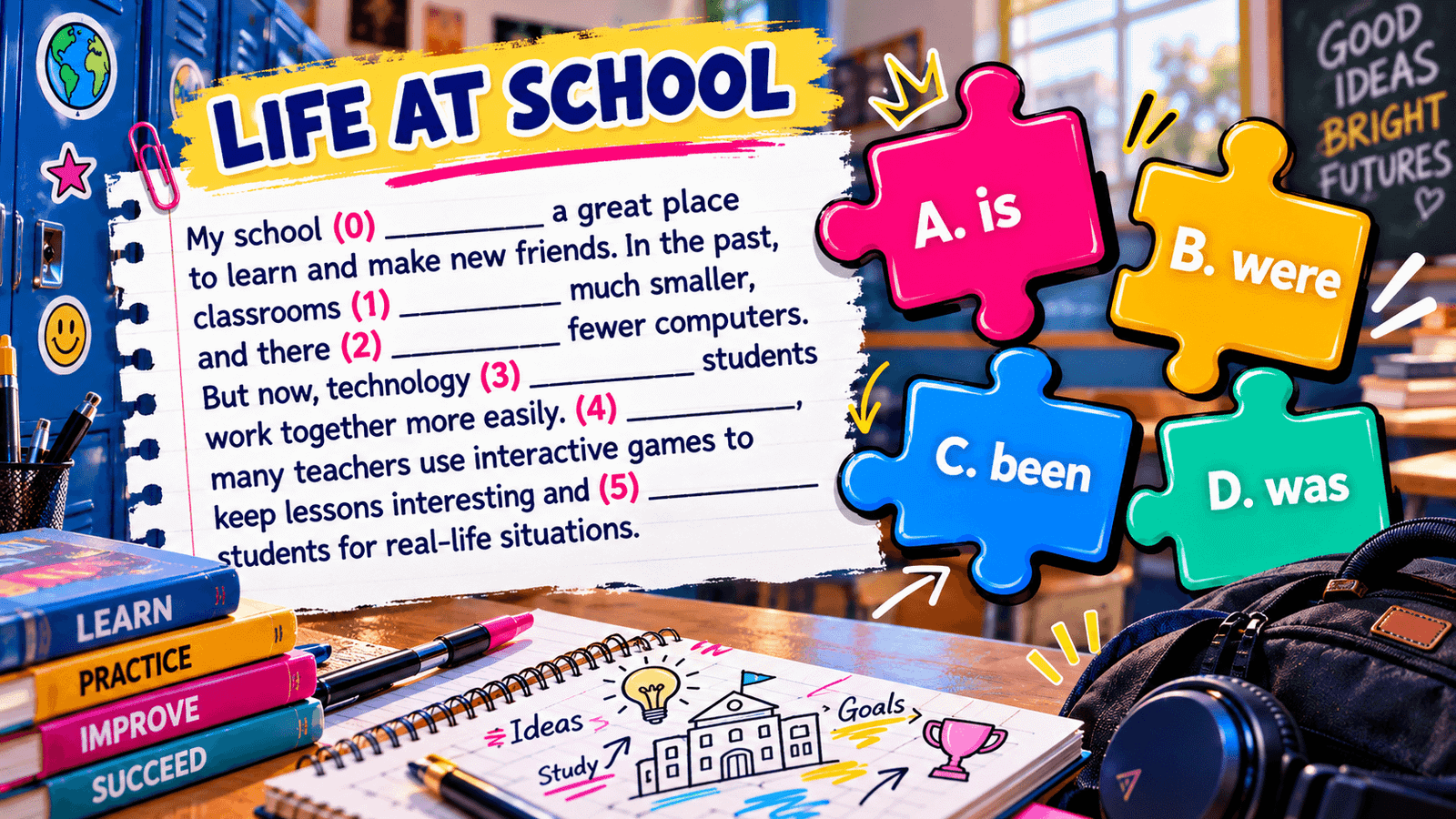
 Grammar Cloze TextGrammar in contextComplete short texts with accurate grammar.Explore Part 4
 Literal ReadingReading comprehensionFind explicit information and identify paraphrases.Explore Part 5
 Author Intention and InferenceInferential readingInterpret purpose and infer meaning from evidence.Explore Part 6
 Vocabulary and Grammar ClozeGrammar and lexisSelect vocabulary and grammar that fit the context.Explore Part 7